Chesterton Academy of St. Nicholas
An integrated, classical, liberal arts curriculum
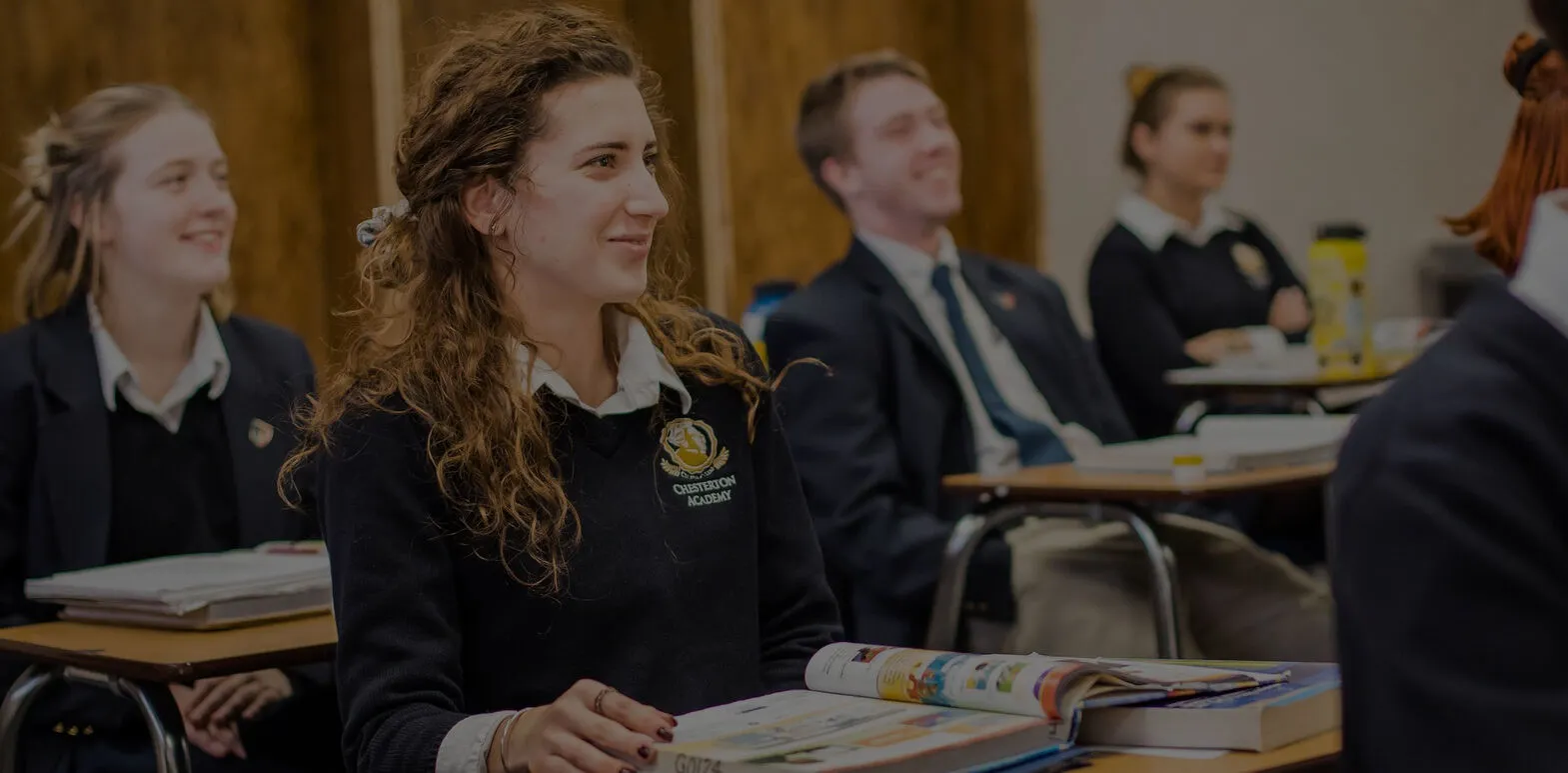
Students at Chesterton Academy enjoy a cohesive, content-rich education. A broad exposure to many different disciplines helps students expand their interests and uncover hidden talents. Each year builds on the previous, so that by the end of senior year, our students are articulate, clear-thinking, well-rounded, and, very importantly, joyful individuals
The Humanities Program
Humanities Sequence:
- Grade 9: Ancient World
- Grade 10: Early Medieval Period
- Grade 10: Early Medieval Period
- Grade 11: High Middle Ages to the Renaissance
- Grade 12: Modern World Literature

Literature
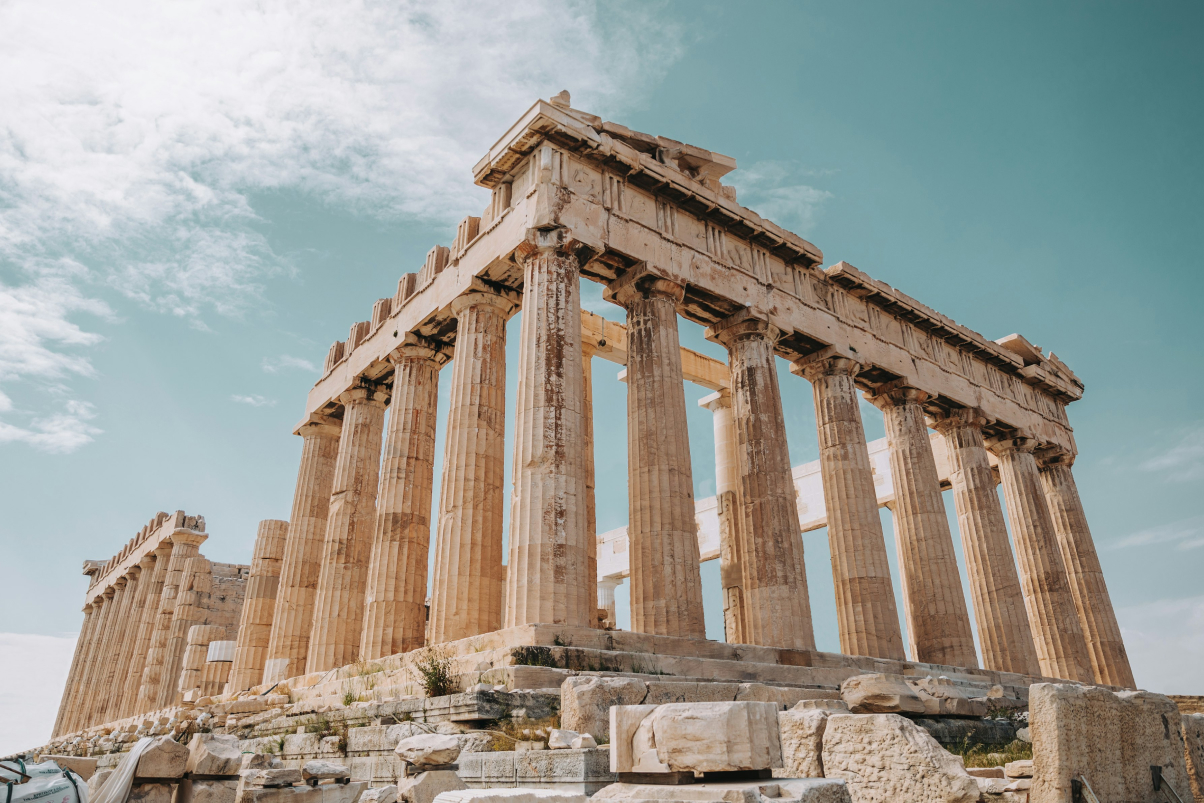
Our study of literature is interconnected with the study of history and other humanities disciplines. Students are first introduced to classical epics of Homer and then exposed to early English classics such as The Canterbury Tales, as well as modern literary renderings of medieval history. Moving towards the modern period, they read Dante, Shakespeare, Dickens, Dostoevsky, Chesterton, and American literature. Reading and writing go hand in hand, and every student masters the art of the essay writing in their assignments across all subjects. History classes at Chesterton Academy form the backbone of our curriculum. The four-year history sequence covers ancient history through the Greek and Roman civilizations, early Church history, the Middle Ages, the Renaissance, and the Reformation and Counter-Reformation. In senior year, students study the modern era, which includes the American and French Revolutions, the Industrial Revolution, the Communist Revolution, and the Sexual Revolution. Each history course is designed to offer a colorful backdrop for literature, art, and science classes.
Philosophy
Philosophy, “the love of wisdom,” exercises the brain while it elevates the soul. The ability to understand abstract concepts leads to clear and systematic thinking in all things. We use philosophy to connect the humanities, but also to show its obvious connection to logic and mathematics. We study the development of philosophy from its classical roots focusing on Plato and Aristotle, its dramatic encounter with the early Church, its christening by St. Thomas Aquinas, and its deterioration in the modern era.
Theology
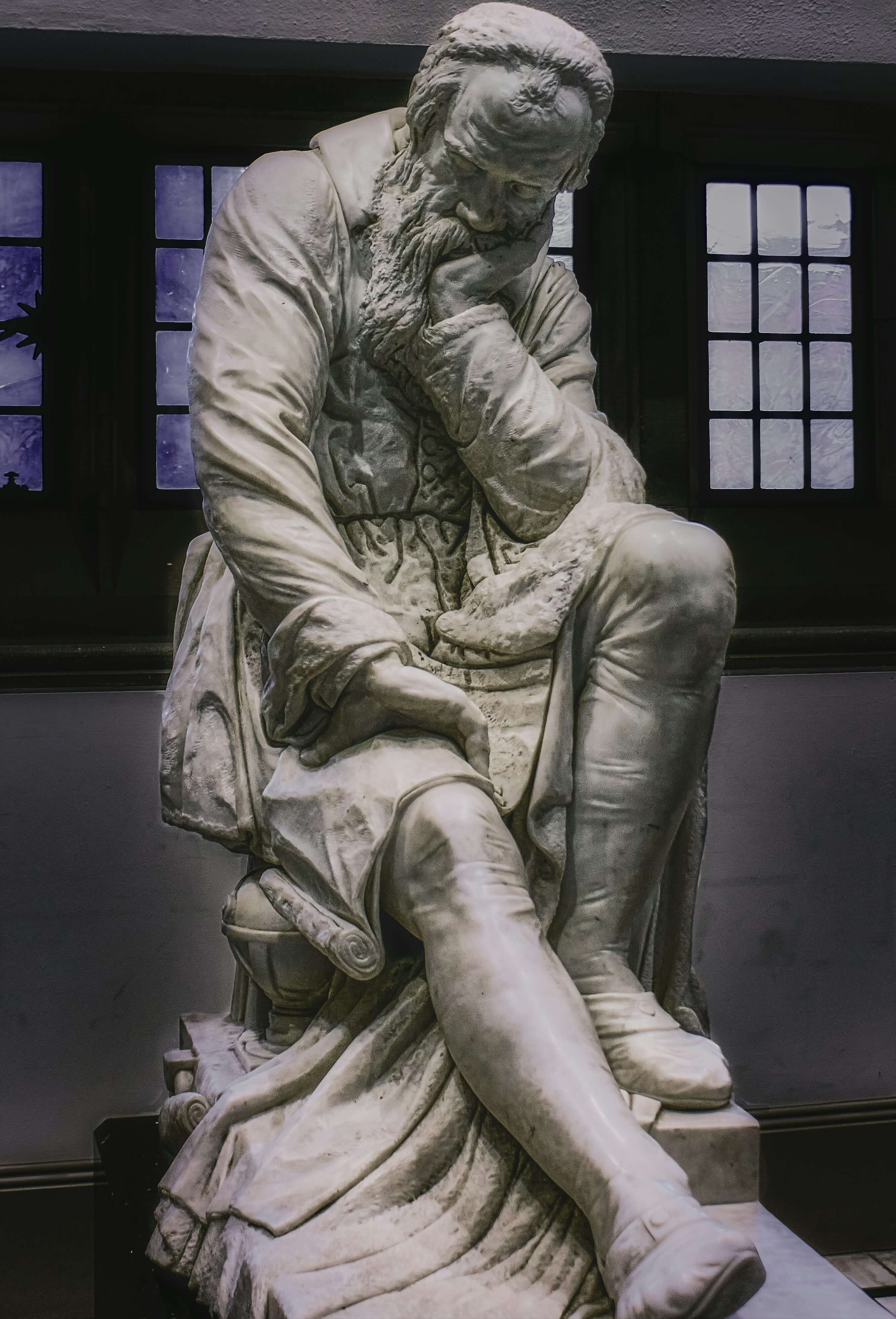
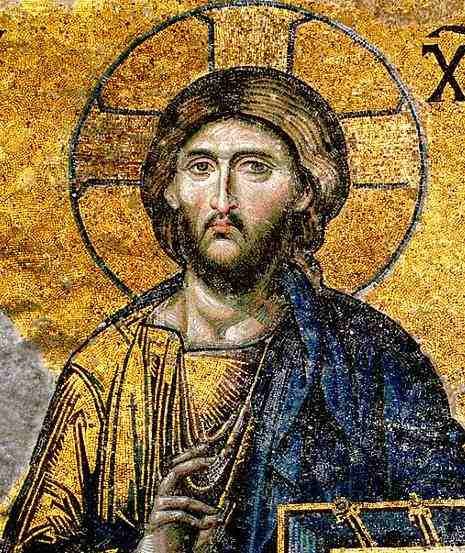
Theology, “the study of God,” is the context by which all other texts are studied. The principal theological texts studied are the Bible and the Catechism of the Catholic Church. We also read selections from the Church Fathers, Documents of the Church Councils, and Papal Encyclicals.
Foreign Language
The study of a foreign language is required of all students for three years. All students are required to take two years of Latin and then go on to choose Latin IV or Italian (resources permitting). Because students may have already studied a foreign language before they arrive at the school we try, as much as possible, to place them in the correct level right from the start, regardless of their grade.